
A healthy, attractive yard does not have to come with excessive water bills or constant maintenance. The secret often lies beneath the surface: an irrigation system designed around your plants, soil, drainage, and changing weather. The U.S. Environmental Protection Agency estimates that residential outdoor water use across the country accounts for nearly 8 billion gallons each day, much of it used for landscape irrigation. For homeowners in Clearwater, Florida, planning an efficient sprinkler system is especially important when heat, heavy rainfall, and sandy soil can all influence how water moves through the landscape. A thoughtful design helps keep plants healthy while reducing waste and unnecessary upkeep.
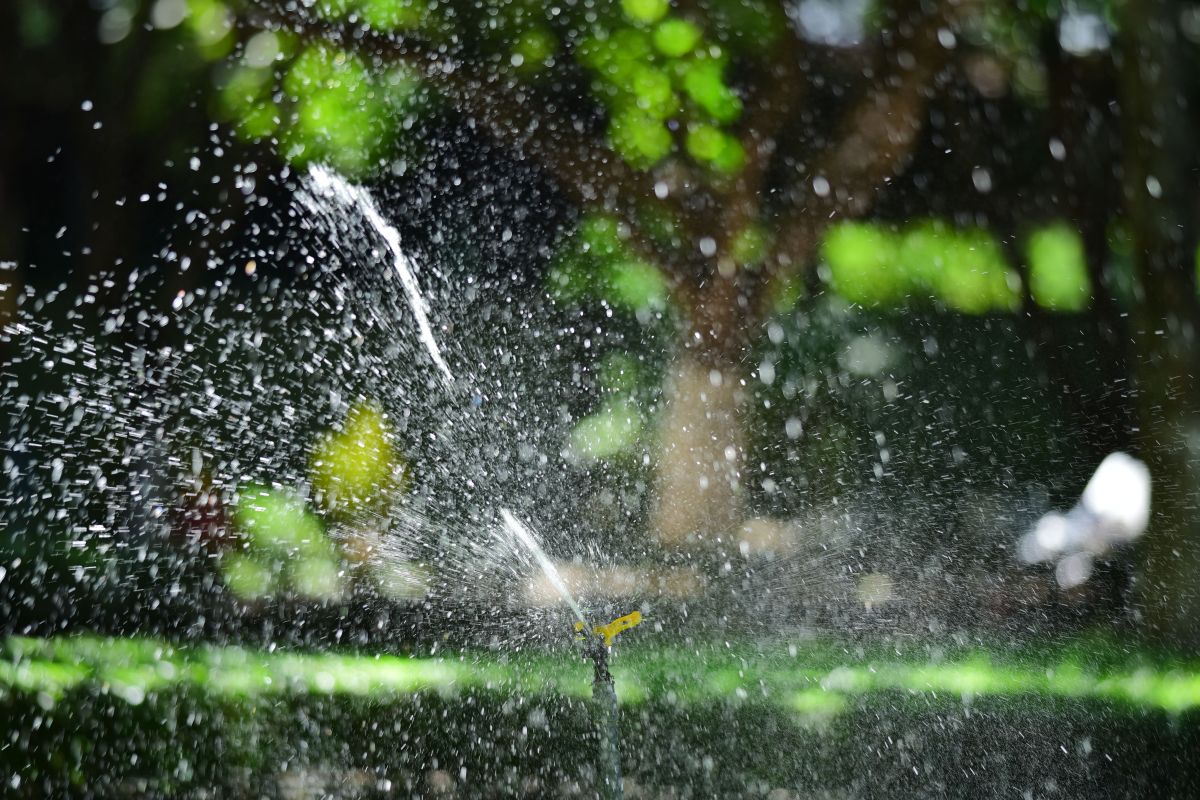
Understand What Your Yard Actually Needs
Before choosing equipment, take time to understand the landscape you want to water. Grass, flower beds, mature trees, and ornamental shrubs do not necessarily need the same amount of moisture or the same watering schedule. Treating the entire yard as one uniform area can leave some plants struggling while others receive more water than they need.
Walk around the property and observe which areas receive full sun, which remain shaded, and where water tends to collect after rain. Check for slopes, compacted soil, exposed roots, and sections that dry out faster than the rest. These details influence how quickly water enters the ground and how evenly it reaches plant roots.
Soil type is particularly important. Sandy soil drains quickly and may require shorter watering cycles, while heavier soil can absorb water more slowly and become vulnerable to runoff. Instead of guessing, observe how your yard responds during watering and make adjustments based on what you see.
A basic landscape assessment provides a stronger foundation than buying sprinkler components first. It helps you design around plant health and water efficiency rather than simply choosing the easiest layout.
Design for Local Conditions Before Installing
Weather, soil, wind, and seasonal rainfall all influence irrigation performance. A system that looks impressive on installation day may still waste water if its layout does not account for these conditions.
When considering sprinkler installation in Clearwater, look for a design that reflects the area’s growing conditions and the specific needs of your landscape. Correct head spacing, suitable nozzles, balanced pressure, and sensible zone placement all help distribute water more evenly.
Plan for the landscape’s future, too. Small shrubs may eventually grow into large plants, trees develop broader root systems, and new garden beds may change the amount of water each section needs. Thinking ahead can reduce the need for costly adjustments later.
A good system should also account for rainfall. If the soil is already saturated or a substantial shower has provided sufficient moisture, running every zone on its usual schedule may accomplish little beyond wasting water. Efficient irrigation responds to actual conditions rather than following a timer blindly.
Choose Sprinkler Heads for the Job
Sprinkler heads may look similar at first, but different designs serve different purposes. Spray heads are often suitable for smaller areas with relatively regular shapes. Rotor heads distribute water across larger sections, while drip irrigation delivers moisture slowly and directly to the root zones of many shrubs, trees, and garden plants.
The key is matching the equipment to the area being watered. A narrow planting bed may benefit from targeted irrigation, while an open lawn needs coverage that reaches every section without repeatedly soaking sidewalks or driveways.
Pay close attention to precipitation rates. If heads within the same zone apply water at substantially different rates, one section may become saturated while another remains dry. Consistent coverage helps reduce these imbalances.
Water pressure matters just as much. Excessive pressure can produce fine mist that drifts away or evaporates before reaching the soil. Insufficient pressure can prevent heads from reaching their intended distance. Properly selected components and appropriate pressure regulation help the system deliver water where it is needed.
Divide the Landscape Into Practical Zones
A well-planned irrigation system groups plants according to their watering requirements, sunlight exposure, soil conditions, and irrigation method. These groups are called hydrozones, and they make it easier to maintain a healthy landscape without overwatering individual areas.
For example, turf in full sun may need a different schedule from grass beneath trees. Established shrubs may require less frequent irrigation than newly planted beds. Combining these areas on one valve can make it difficult to meet every plant’s needs.
Think about how each zone will be maintained over time. A logical layout makes it easier to identify a clogged head, investigate a dry patch, or adjust watering after changes to the landscape.
Keep valve boxes accessible and avoid placing sprinkler heads where mowing, edging, or ordinary foot traffic is likely to damage them. A simple map showing the location of valves and zones can also save time during maintenance.
The objective is not to create as many zones as possible. It is to create enough independent control to water different parts of the landscape appropriately.
Make Smart Controllers Work for You
Smart irrigation controllers can simplify watering by adjusting schedules according to weather information or soil moisture readings. They can reduce unnecessary watering and make seasonal adjustments more convenient than relying on a fixed timer.
However, automation is not a substitute for inspection. A controller cannot necessarily detect a broken sprinkler head, a blocked nozzle, or a zone that produces uneven coverage. You still need to observe how the system performs.
For practical advice on scheduling and water conservation, explore the EPA’s Watering Tips. The guidance explains how to account for plant needs, seasonal conditions, and efficient irrigation practices.
Cycle-and-soak scheduling can also help when water runs off before the soil absorbs it. Rather than delivering one long watering session, the controller divides the total runtime into shorter cycles separated by pauses. This gives water additional time to soak into the ground.
Use automation to make better decisions easier, not to remove the need for common sense. If rain has already supplied enough moisture, adjust the schedule accordingly.
Keep Maintenance Simple and Consistent
Even a well-designed system can become inefficient when small problems go unnoticed. A clogged nozzle may leave one section dry, a tilted head may spray pavement, and a hidden leak can increase water consumption without producing an obvious warning.
Inspect the system regularly. Run each zone and watch the spray patterns, checking for pooling, misting, blocked heads, and areas that receive too little water. Clean or adjust components according to the manufacturer’s instructions, and investigate unusually wet patches that may indicate a leak.
The EPA’s Sprinkler Spruce-Up guide offers practical advice on inspecting sprinkler heads, correcting coverage problems, and improving irrigation efficiency.
Keep maintenance in mind from the beginning. Accessible valves, clearly identified zones, and sensible pipe routing make future repairs less disruptive. Before buried components are covered, photograph the layout and save the images with your system notes.
Adjust schedules as weather changes and plants become established. A watering routine that works for newly planted grass may be excessive once its roots are established. Regular observation helps the system remain efficient instead of gradually becoming wasteful.
Build a System That Supports Long-Term Results
A sprinkler system should do more than switch on at the scheduled time. It should deliver water evenly, support healthy roots, minimize runoff, and remain practical to maintain.
Some planning tasks are well suited to homeowners, including observing drainage, identifying plant types, and mapping sunny and shaded areas. More technical work may require experience with water pressure, pipe sizing, backflow protection, wiring, and applicable regulations. Knowing when to seek professional guidance can prevent expensive design and installation mistakes.
The best results come from combining thoughtful planning with consistent maintenance. Choose equipment for the landscape rather than its appearance, group plants according to their needs, and adjust watering as conditions change.
With the right approach, your yard can stay healthier without wasting water or demanding constant correction. A smarter irrigation system makes caring for your landscape easier today and helps keep it sustainable for the seasons ahead.