
The Dijon jar looks empty until you tilt it. A little mustard still coats the bottom and the shoulders beneath the lid. If the mustard has been stored as directed and is fit to use, those last traces can season a serving of scrambled eggs.
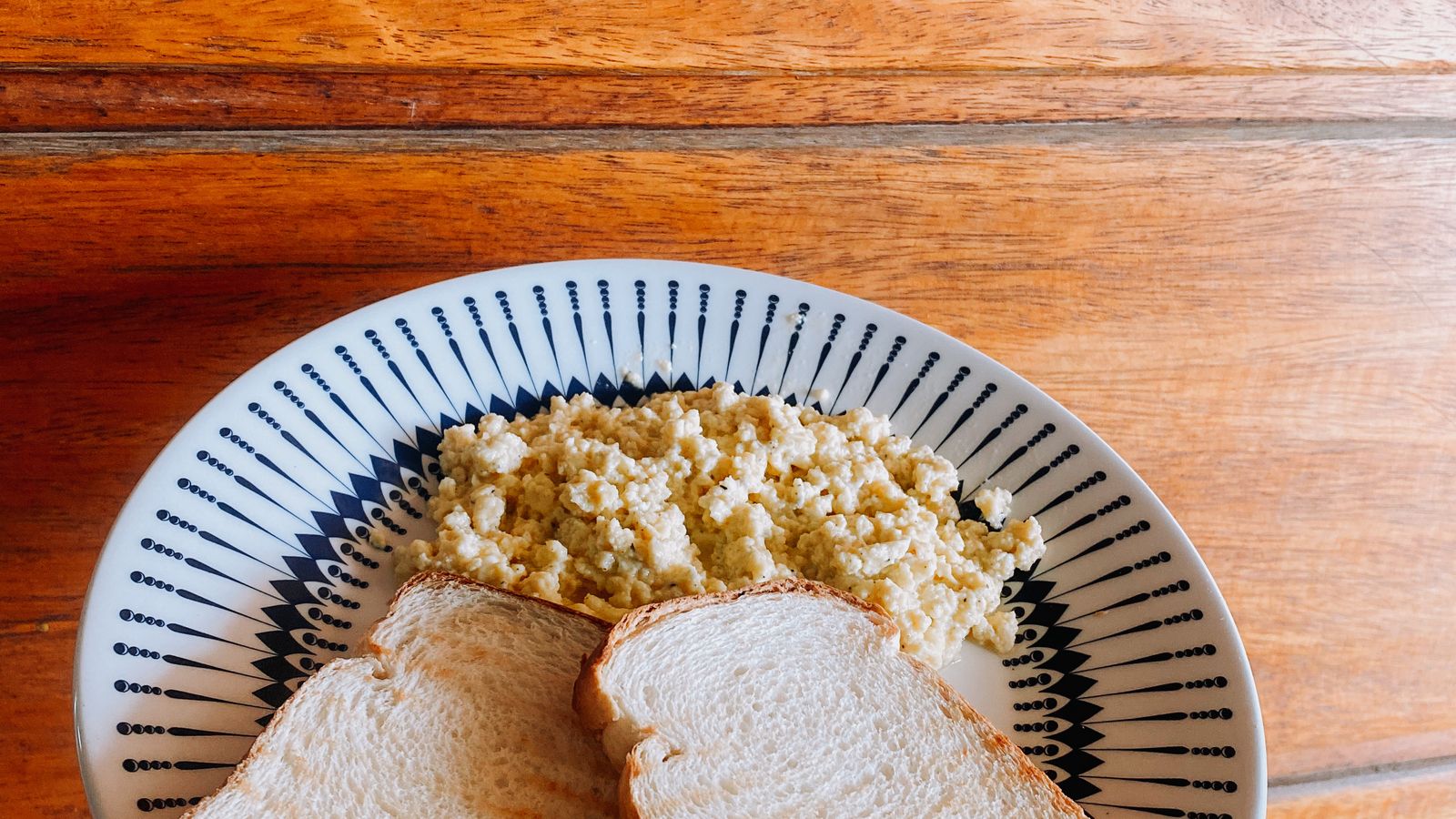
Whisk the last of the Dijon into two eggs
In The Kitchn’s account of the mustard-jar method, writer Celia Funderburk tried an idea shared by creator @condimentclaire. Two eggs go into a nearly empty Dijon jar, then the closed jar gets shaken before the eggs go into a pan. The mustard left on the glass mixes into the eggs.
For more control, crack two eggs into a clean bowl and scrape in a small amount of mustard with a clean spoon. Whisk until the yolks break and the mustard is distributed. Start with what you can scrape from a nearly empty jar. A spoonful from a full jar can bring a much stronger taste.
Cook the eggs over gentle heat
Warm a little butter in a skillet over medium-low heat. Pour in the eggs and draw a spatula across the base as they set. Lower the heat if the eggs catch on the pan. Continue folding until the mixture is set throughout. The FDA advises that scrambled eggs should not be runny.
Put the eggs on toast and taste before adding salt. Dijon varies by brand, and salted butter or cheese will change the balance. Try a small serving first so you can judge whether you want more mustard next time. Our deviled egg filling guide uses another familiar condiment pairing for a dish you can share.
Wash the jar after it touches raw eggs
If you choose the jar method, use a sound jar with a lid that closes securely and leave room to shake. Once raw egg has touched the jar, wash it and the lid with hot, soapy water. Keep raw egg away from other food and wash your hands and utensils before you finish the meal.