
The garden is winding down, and a half-used bottle, a torn seed packet and a muddy trowel are heading for the same shelf. Stop before putting the lid on that storage bin. They need different decisions.
Read the product labels before clearing the shed
Start with garden chemicals. Keep products you can identify in their original, labeled containers and follow the storage directions. An unheated shed is not the right place for every bottle just because it holds the garden tools.
EPA’s pesticide storage guidance says to keep pesticides away from children, pets, food and animal feed. If the contents or age cannot be identified, follow safe disposal advice rather than guessing what is inside.
Separate unwanted chemicals from ordinary trash
Make a written list of unwanted products and contact your local waste authority about collection options. Read the disposal instructions on each label. Keep the containers closed and secure while you arrange the next step.
EPA advises against pouring pesticides into sinks, toilets or drains and against reusing their empty containers. A bottle that looks useful for watering or mixing something else still belongs with the pesticide disposal decision.
Don’t use a seed packet’s age as the only test
Set intact, labeled seed packets apart from unknown or damaged supplies. Record the crop, variety and packet date before putting them away. That gives you something to work with when you plan next season.
University of Minnesota Extension notes that seed germination and vigor decline with age. That is a reason to review older seed before relying on it, rather than treating every leftover packet as either worthless or guaranteed to grow.
Store tools where you can inspect them
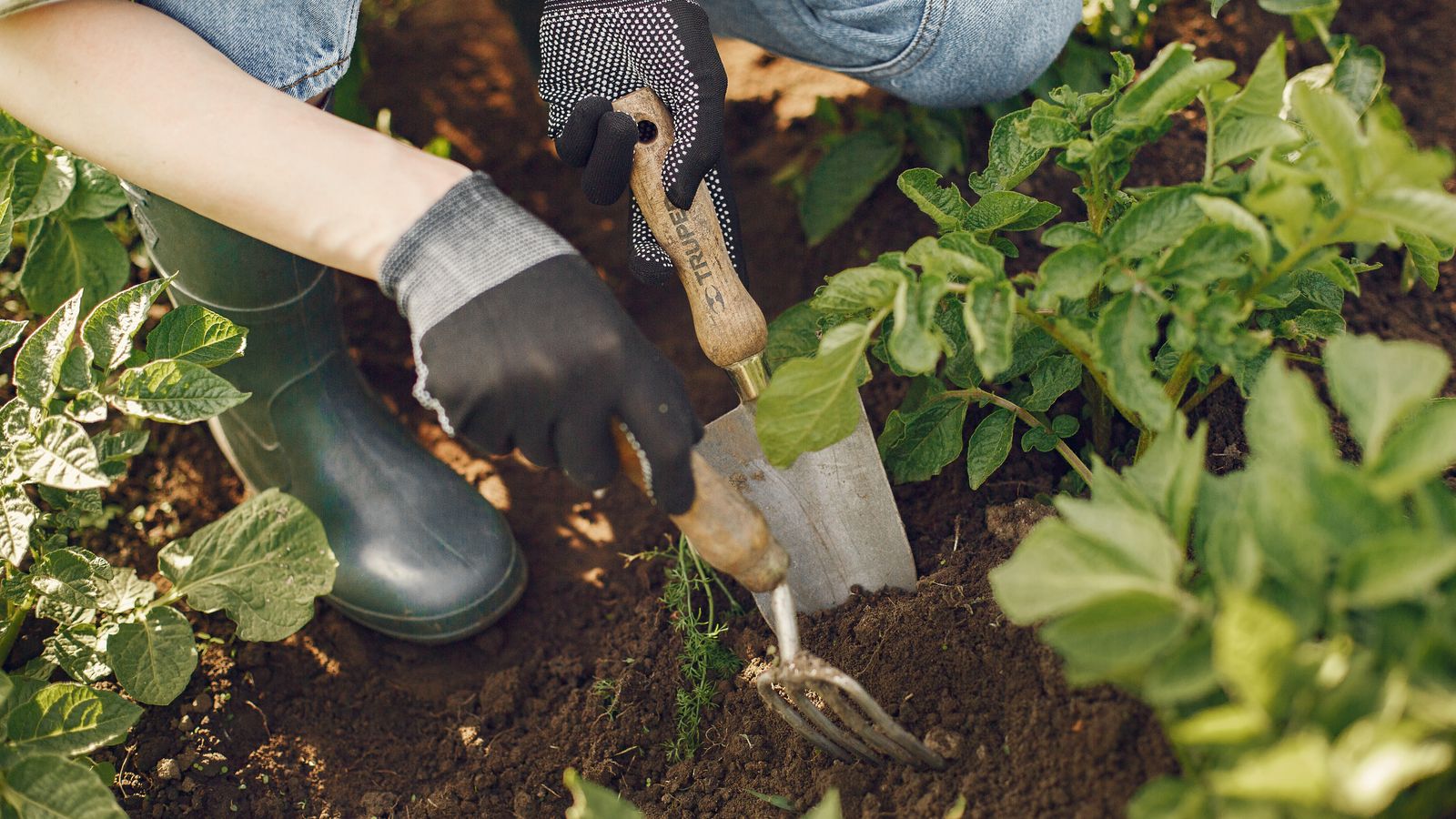
Keep hand tools in their own section. Remove loose soil, let cleaned tools dry and look for a loose handle or damaged blade before packing them away. Put a repair note on the tool instead of saving that discovery for planting day.
Use the empty shelf to make next spring easier: labeled seeds together, tools visible and garden products stored as their labels require. Take a photo of the final arrangement so you know what is there before buying replacements.
Finish the outdoor round by checking the hose at the outdoor faucet. Small jobs are easier to catch while the garden equipment is still out.