
A family trivia night can start with a recipe, an old photograph, or the name of a pet. The best questions give people a story to tell after the answer, rather than rewarding whoever knows the most dates.
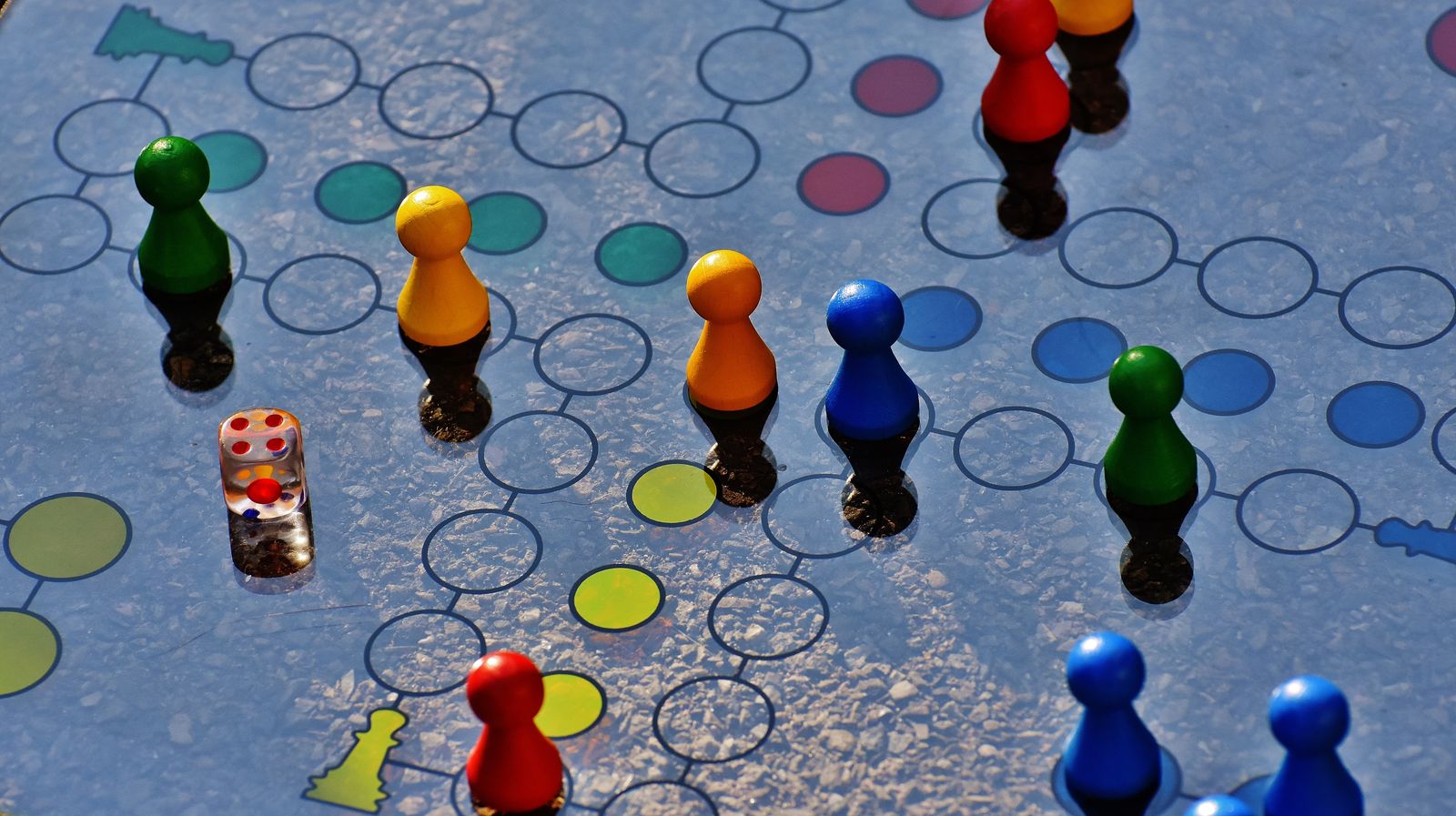
Build a short game around shared memories, then mix the teams so children, new partners, and older relatives can take part. You need paper, pens, a few agreed answers, and someone willing to read the questions.
Collect questions from more than one household
Ask each household for two or three questions before the gathering. Request the answer at the same time, along with a sentence explaining the memory. Keep a few questions out of the submitting person’s round so they do not score points for their own contributions.
The Library of Congress guide to family oral histories encourages children to ask older relatives about their lives and seek permission before recording conversations. That is a useful starting point for collecting memories; the trivia format is a separate way to share selected stories at a gathering.
Check that the person involved is comfortable with a story becoming part of the game. Leave out private health information, past arguments, money troubles, and anything that could turn a shared laugh into an unwanted reveal.
Use prompts that invite a memory
Adapt these question formats to facts your relatives can confirm. They are templates, so replace the details with your own answers:
- Which dish did Grandpa bring to every winter potluck?
- What was the name of the dog in this photograph?
- Which town did these two relatives meet in?
- Who made the ornament we still hang near the top of the tree?
- What did the cousins call their backyard clubhouse?
- Which song did someone request on every road trip?
- What was the first meal cooked in the current family home?
- Which relative taught another to ride a bike?
Mix recent events with older memories. A game made from childhood stories that predate half the room will leave newcomers guessing through every round. Add questions about a recent gathering or let teams inspect a photograph before answering.
Keep scoring simple and teams mixed
For a first game, try three rounds of five questions with one point for each correct answer. Pair people from different generations and households, and read every prompt aloud so reading speed does not decide the result.
For young children, use picture choices or let them bring the photograph to each team. Someone who joined the family last year can contribute questions about current traditions instead of being tested on events they never attended.
If you want other activities before or after the quiz, browse our family fun ideas. Keep this game short enough that it can stand on its own without taking over the visit.
Let the story matter more than the answer sheet
After each round, invite a person connected to one answer to explain it. If two relatives remember a detail in different ways, note both versions and move on. A disputed vacation year is not worth turning the evening into a fact-checking argument.
Use a small prize, let everyone share a treat, or skip prizes. At the end, keep the questions and add the date and contributors’ names. Ask permission before sharing photographs or recordings outside the group, and save a copy of the stories for the next gathering.