
A cupboard full of pasta looks prepared until the power goes out and there is no way to boil water. Before buying another bulk bag, write down what the household could eat with the stove and fridge out of use.
Build a no-cook meal plan before buying more food
Start with three days of meals people in the house will eat. Put breakfast, lunch, dinner and snacks on paper. For each item, ask whether it needs cooking, added water or refrigeration after opening.
A shelf-stable ingredient and a ready-to-eat meal solve different problems. Dry beans can belong in the regular pantry while canned beans serve a separate role when fuel or water is limited.
Check the portions, not just the number of cans
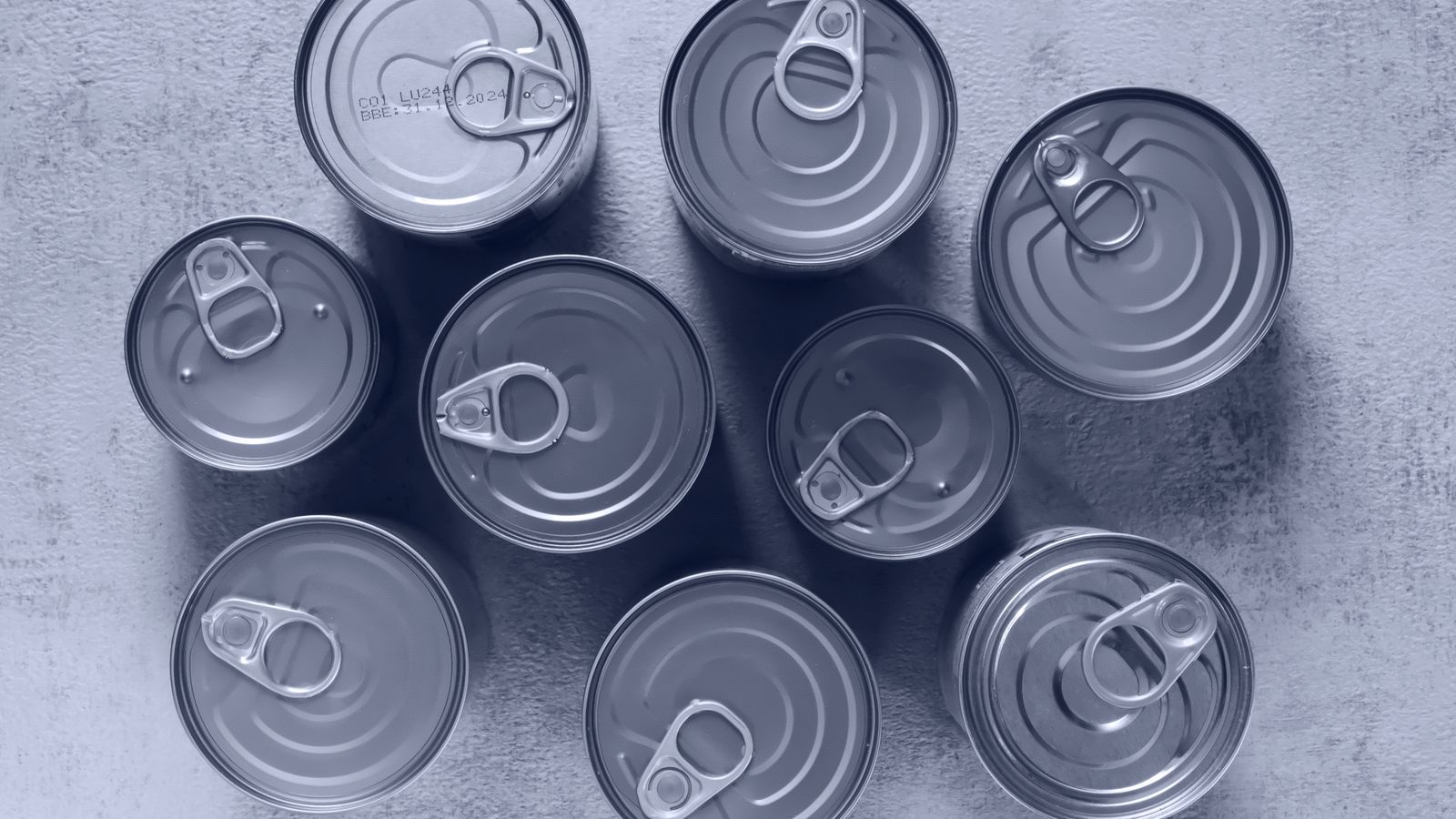
USDA’s emergency food guidance includes canned meat, vegetables and fruit, nut butter and other foods that need little preparation. It also recommends small cans that can be finished in one meal when refrigeration is unavailable.
For a sample lunch, pair ready-to-eat canned beans or fish with crackers and a single-serving fruit cup. Check the food labels and adapt the choices for allergies, dietary restrictions and the number of people eating. Add the manual can opener to the same box.
A giant tin may cost less per serving but leave you with food you cannot chill. Compare the size with your written meal plan before choosing it.
Put drinking water on the list
Ready.gov’s emergency checklist calls for at least a three-day supply of nonperishable food and one gallon of water per person per day for drinking and sanitation. Account for pets and needs such as infant feeding when building the household plan.
Keep cooking water in mind if the plan includes foods that require it. A sack of rice should not count as a no-cook dinner.
Use the supply instead of forgetting it
Put a short inventory inside the cupboard door. When you use an item for an ordinary meal, add its replacement to the next shopping list. Keep the foods that suit your household and replace choices that nobody wants to eat.
This is preparation for a disruption, not evidence of an approaching food shortage. For a broader cupboard plan, see our guide to emergency pantry staples, then separate the items you can eat without heat from those that still need a working kitchen.