
You turn the garden tap off after the last watering and leave the hose connected for another day. Before freezing weather arrives, unscrew it. Water trapped in a hose or attachment can stop some outdoor faucets from draining as designed.
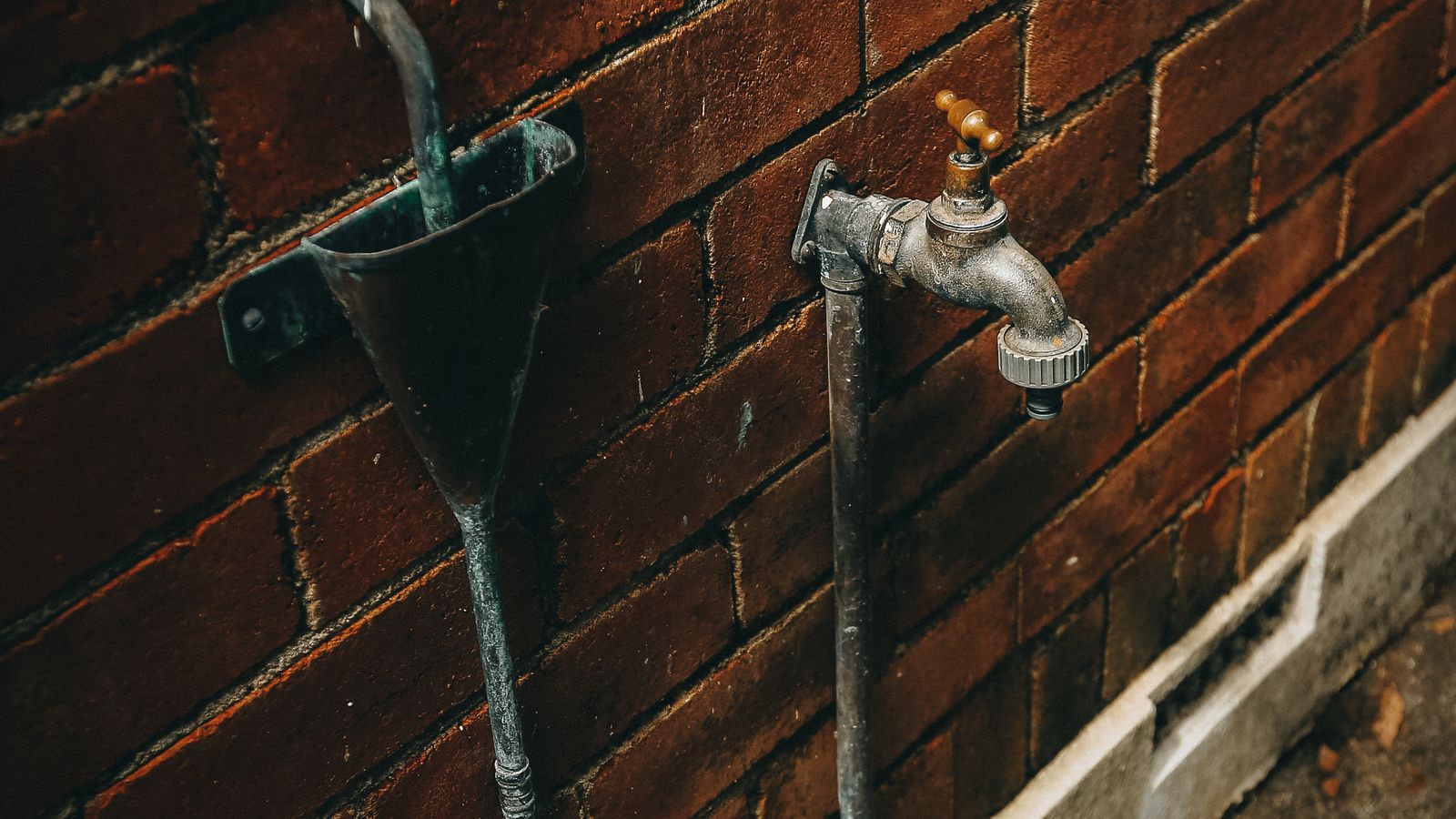
Disconnect the hose before you cover the faucet
Remove the hose, drain it and store it for winter. Take off hose splitters and watering timers, following their instructions. If an attachment will not release, avoid forcing it against the pipe. Ask a plumber to check it before the weather turns.
Woodford’s explanation of a standard frost-proof faucet shows why the connection matters. The faucet is designed to drain when installed with the correct downward pitch. A hose or other restriction can retain water in the barrel. Check the instructions for your model before relying on a frost-proof label.
Find the shutoff that supplies that outdoor tap
For a conventional outdoor faucet with an indoor supply valve, the American Red Cross recommends closing the indoor valve, then opening the outside faucet so the line can drain. Its guidance says to leave that outside valve open. Follow the instructions for your own plumbing, particularly for frost-free models with different draining arrangements.
Label a confirmed shutoff so you can identify it next season. If you cannot find the valve, or water keeps flowing after you close it, arrange a plumbing check. A faucet cover cannot resolve a shutoff that does not work.
Check the pipe inside the house too
Look at where the supply line passes through an unheated garage, basement or crawl space. The Red Cross recommends protecting exposed pipes and keeping garage doors closed when water lines run through the garage. Include this check when you inspect the garage door corners and threshold before winter.
If you find a leak or suspect a frozen pipe, contact a licensed plumber. Never use an open flame to thaw plumbing.