
A boiled egg needs no added cooking fat. Scrambled eggs can be prepared with butter, oil, milk, cheese, or none of those additions, depending on the method. That ingredient list is where a useful nutrition comparison begins.
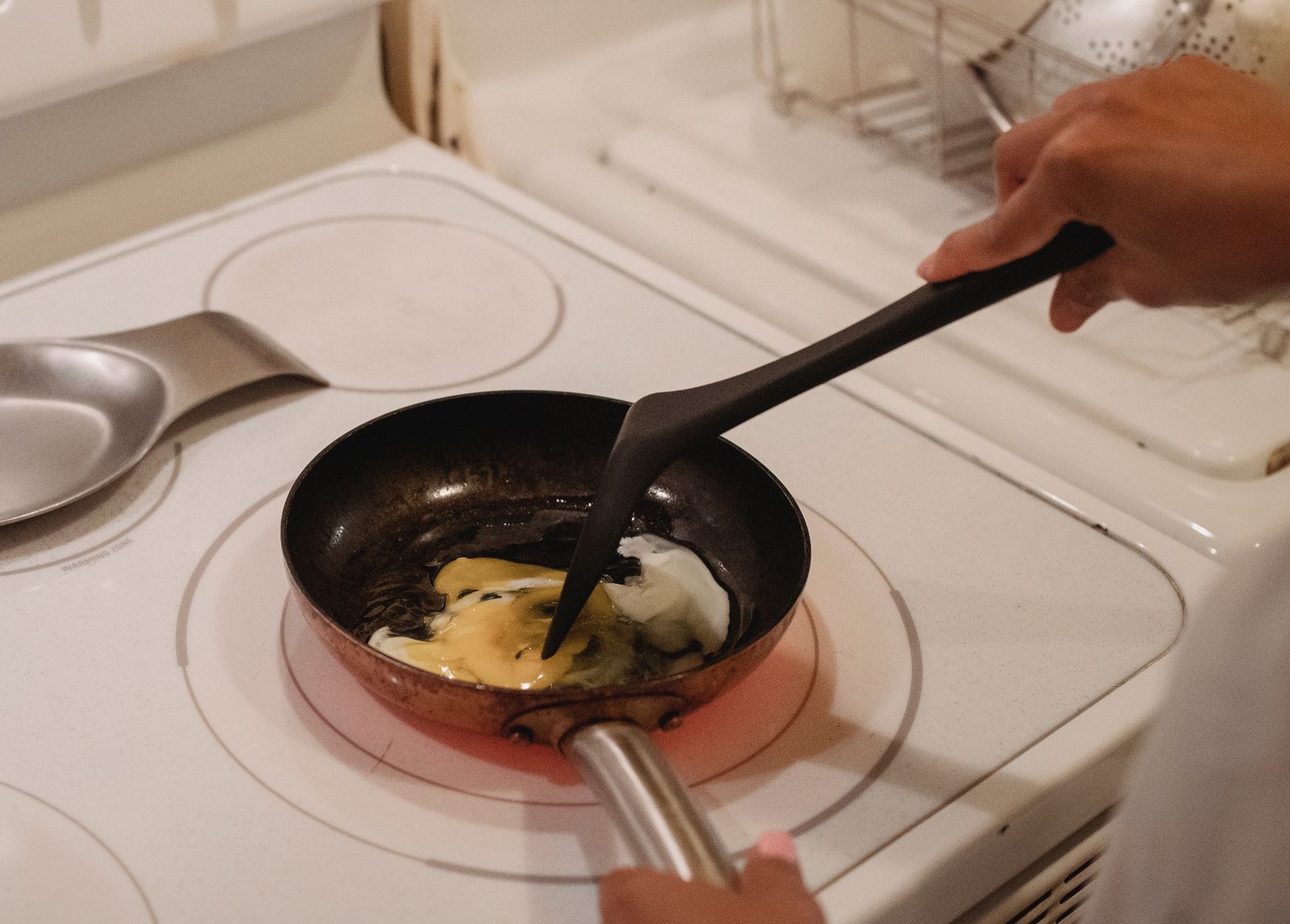
Calling every boiled egg breakfast healthier than every scramble misses both the serving size and the rest of the plate. Compare the same number of eggs first, then account for what goes into the pan and what you serve alongside them.
Start with equal portions
A two-egg scramble and one boiled egg are different portions before any butter enters the picture. The American Egg Board lists about six grams of protein per large egg. Using eggs of the same size gives you a consistent starting point instead of comparing an undefined scoop with one whole egg.
For a packaged egg product or a restaurant meal, check the label or available nutrition information. A listed serving can include milk, seasoning, or other ingredients, so its numbers may not describe plain eggs prepared at home.
Measure the fat used for the batch
Butter and oil both contribute calories, but their fat profiles differ. The American Heart Association recommends nontropical liquid plant oils, such as olive or canola oil, in place of solid fats such as butter when reducing saturated fat.
Oil is not calorie-free, and pouring without measuring makes the comparison harder. Note what went into the pan and how many servings the batch makes. A tablespoon used for several portions is not the same amount per person as a tablespoon used for one.
| Preparation | What to count beyond the eggs |
|---|---|
| Plain hard-boiled eggs | Any salt, dressing, or toppings added after cooking |
| Eggs scrambled in butter | The butter used for the batch and the number of portions |
| Eggs scrambled in oil | The amount of oil; choosing a different fat does not remove its calories |
| Scramble with cheese or cream | The quantity and nutrition information for those additions |
The breakfast plate still counts
Vegetables in a scramble, whole-grain toast, fruit, and sides all change the meal. A boiled egg served with a large portion of processed meat is not a complete nutritional comparison with eggs scrambled alongside vegetables.
The AHA’s dietary guidance focuses on the overall eating pattern, including vegetables, whole grains, protein sources, unsaturated fats, and less sodium. It does not make the shape of a cooked egg the deciding factor.
Whichever preparation you choose, cook it with food safety in mind. The FDA advises cooking yolks and whites until firm and scrambled eggs until they are no longer runny. Boiling offers a no-added-fat method; a scramble gives you control over the measured fat and additions. Use those details to compare your usual breakfasts.