
Your peace lily keeps sending up green leaves, but the white blooms it had when you brought it home are gone. Before you buy a flowering fertilizer, stand beside the pot during the day. A corner that looks bright from the sofa may receive little light where the plant sits.
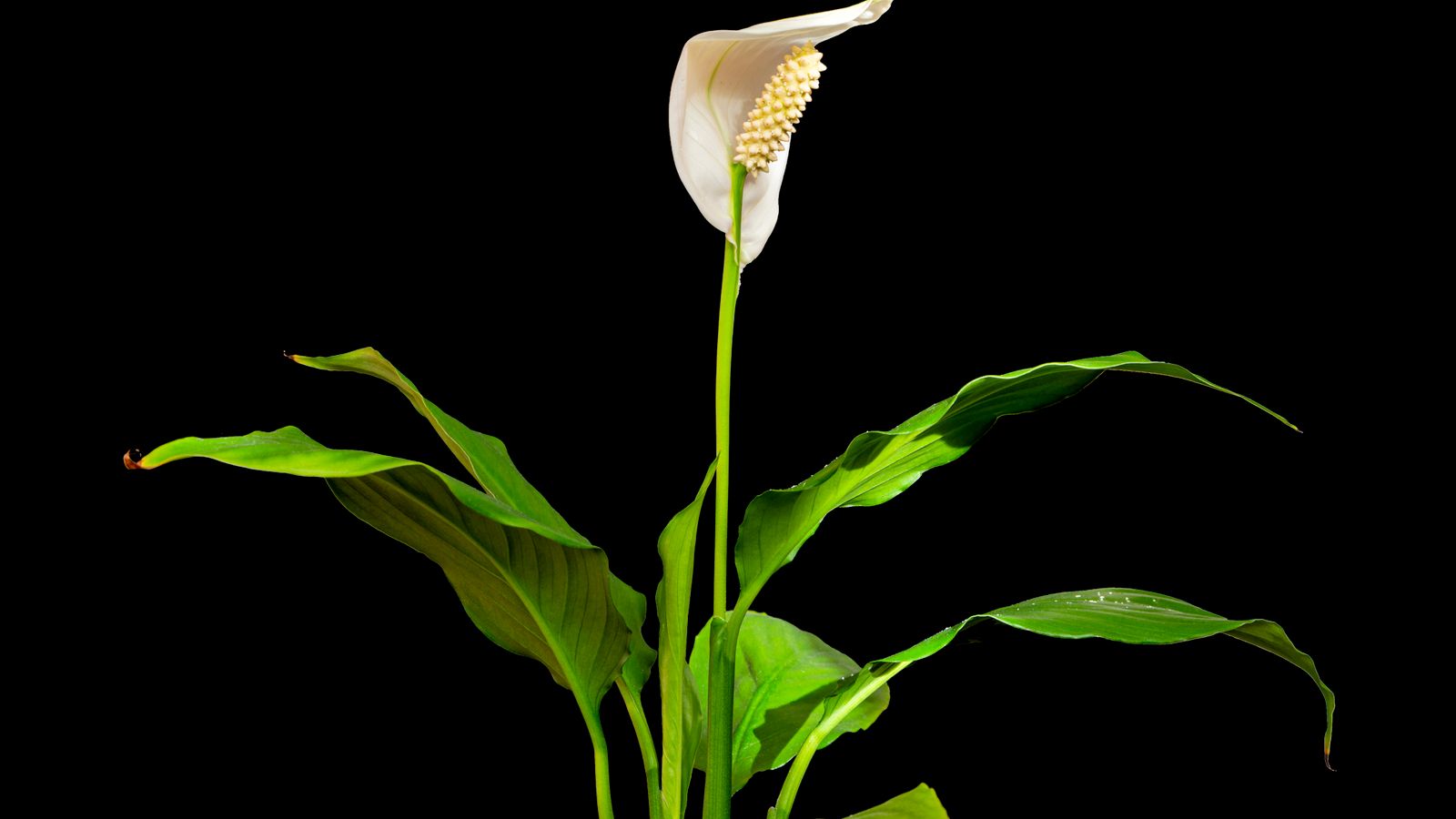
Check the light at the pot before adding fertilizer
Clemson Extension says peace lilies tolerate low light but grow best in bright, indirect light. Look for a spot near a window where the plant gets daylight without strong sun striking its leaves. Avoid putting it against cold glass or in the path of a heating vent.
Check the chosen spot in the morning and afternoon. Curtains, nearby buildings and trees can shade the plant at different times. The University of Minnesota’s indoor lighting guide explains how window exposure and supplemental lighting affect houseplants. A brighter location supports growth, but it does not guarantee flowers on a particular date.
Let the pot drain after watering
Feel the potting mix before reaching for the watering can. Clemson recommends letting it dry slightly between waterings while avoiding prolonged dryness or soggy soil. Water with room-temperature water and empty the saucer. If the nursery pot sits inside a decorative cover, check the bottom of that cover for trapped water too.
Watch the next leaves and flower stems
Take a photo when you move the pot and note the date. Check for new growth over the following weeks while keeping the watering routine steady. A photo helps you compare the plant without making another change every few days.
The white display can turn pale green as it ages. Clemson describes that color change as part of the bloom’s life. Keep the plant beyond the reach of pets and children who might chew it, because its calcium oxalate crystals can irritate the mouth. If you grow other holiday houseplants, our Christmas cactus bud guide covers a different set of flowering cues.