
Before buying another platter for Thanksgiving, match the dishes you plan to serve with the bowls and trays you own. The gap may be one serving spoon or a borrowed casserole dish, rather than a new set.
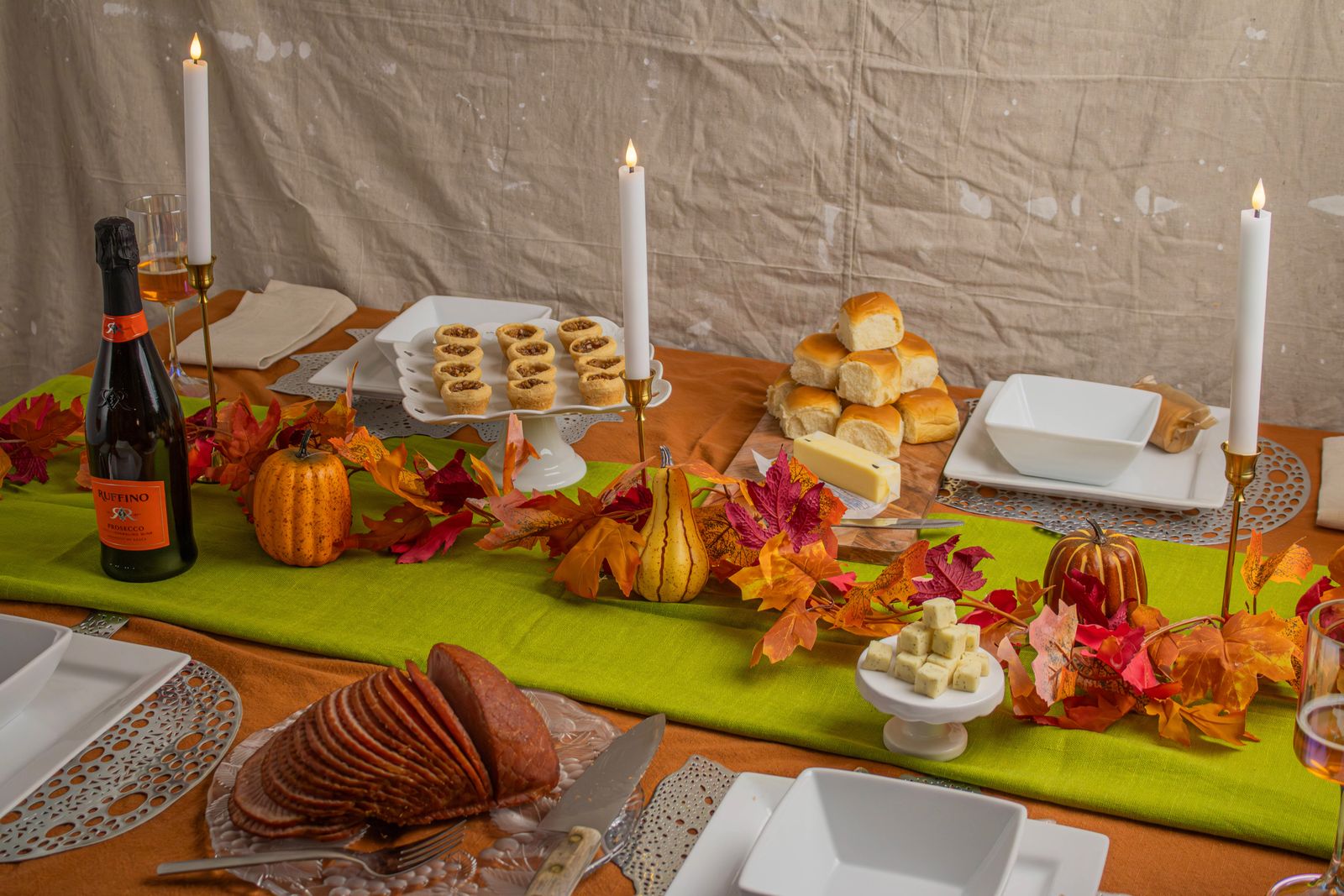
Take the menu to the cupboard and assign a vessel to each item. Include bread, gravy, sauces, and any food guests are bringing. Count what must be on the table at the same time, not everything you might use during the day.
Plan from the menu, not the display
Write each dish on a slip of paper and place it inside the bowl or platter you expect to use. This shows where two foods are competing for the same piece and whether your largest platter will fit beside the other dishes.
For potluck contributions, ask whether the food will arrive ready to serve. A guest bringing a casserole in an oven dish may already have solved that part of the equipment list. Confirm whether they will need to take the dish home before you transfer leftovers into it.
Check serving utensils at the same time. A bowl without a suitable spoon creates a problem even when there are enough dishes. Keep separate utensils for each food, and ask guests about any dietary requirements before deciding how to arrange the serving area.
Borrow the specific piece you need
Once you know what is missing, ask for it by size and purpose: “Could we borrow a platter large enough for the sliced turkey?” is easier to answer than “Can you bring some dishes?”
Agree when the piece will arrive, whether it can go in the oven or dishwasher, and when you will return it. If heat limits are unclear, check the manufacturer’s guidance before heating it. A decorative tray is not an oven dish.
Take a photograph of borrowed pieces with their lids and serving tools. That gives you a record when similar dishes from several households end up beside the sink. Ask how the owner wants a fragile or heirloom piece washed before cleaning it.
Use smaller dishes with a refill plan
You may not need a large bowl for every side if there is room to hold the rest of the food at a safe temperature. Smaller dishes can leave more space for guests to pass plates, but someone needs to handle refills.
The USDA’s buffet guidance recommends holding hot food at 140°F or above and cold food at 40°F or below. Perishable food left without temperature control should not sit out for more than two hours, or one hour when the air temperature is above 90°F. Replace serving portions as needed and keep track of the time.
Decide which dish is for serving and which holds the reserve portion. A second container has a purpose when it supports that plan; it does not need to match the centerpiece.
Buy for the gap that remains
If you still need a piece, measure the shelf where it will live and check whether it will serve a purpose after Thanksgiving. A plain bowl used for weekend meals may earn its space more than an oversized seasonal platter.
Keep the equipment list beside your dinner plans for next year. Note what you borrowed, what was useful, and what never left the cupboard. That record is more helpful for the next gathering than buying extra pieces just in case.