
Orthodontic care can raise plenty of questions for parents: when should a child be assessed, what does treatment involve, and how will braces affect everyday life? In Texas, children account for a substantial share of the population, making children’s healthcare an important family consideration. Still, there is no single age when every child needs braces. The right approach depends on dental development, bite concerns, oral health, and a professional assessment. Understanding the process before treatment begins can help families make informed decisions and support children through each stage.
Know When to Seek an Evaluation
You do not need to wait until every adult tooth has appeared before asking about orthodontic development. An early assessment can identify potential concerns while a child’s teeth and jaws are still growing. An evaluation does not automatically mean braces are needed immediately; sometimes the best recommendation is to monitor development and return later.
Possible signs worth discussing with a dental professional include crowded or overlapping teeth, prominent front teeth, difficulty biting or chewing, persistent gaps, or upper and lower teeth that do not meet comfortably. Continued thumb-sucking and mouth-breathing habits may also be relevant, depending on the child’s circumstances.
The important distinction is between noticing a possible issue and deciding on treatment. Parents do not need to diagnose a bite problem at home. An orthodontic examination can clarify whether treatment is necessary, when it should begin, and which options may be appropriate.
Look Beyond a Straighter Smile
Braces are often associated with appearance, but orthodontic care can also address how teeth fit together. A problematic bite may affect chewing, contribute to uneven tooth wear, or make some areas harder to clean. Crowded teeth can create spaces where plaque collects, increasing the importance of careful brushing and flossing.
Treatment goals vary. Some children need help correcting a bite, while others may benefit from addressing crowding, spacing, or teeth that protrude. Not every irregularity requires braces, and the benefits and limitations should be explained for the individual child.
Parents researching kids braces treatment in North Texas should look for an assessment that considers both alignment and bite function, explains the available choices, and sets realistic expectations. The orthodontist should describe whether treatment is needed now, may be useful later, or is not currently recommended.
Make the First Consultation Count
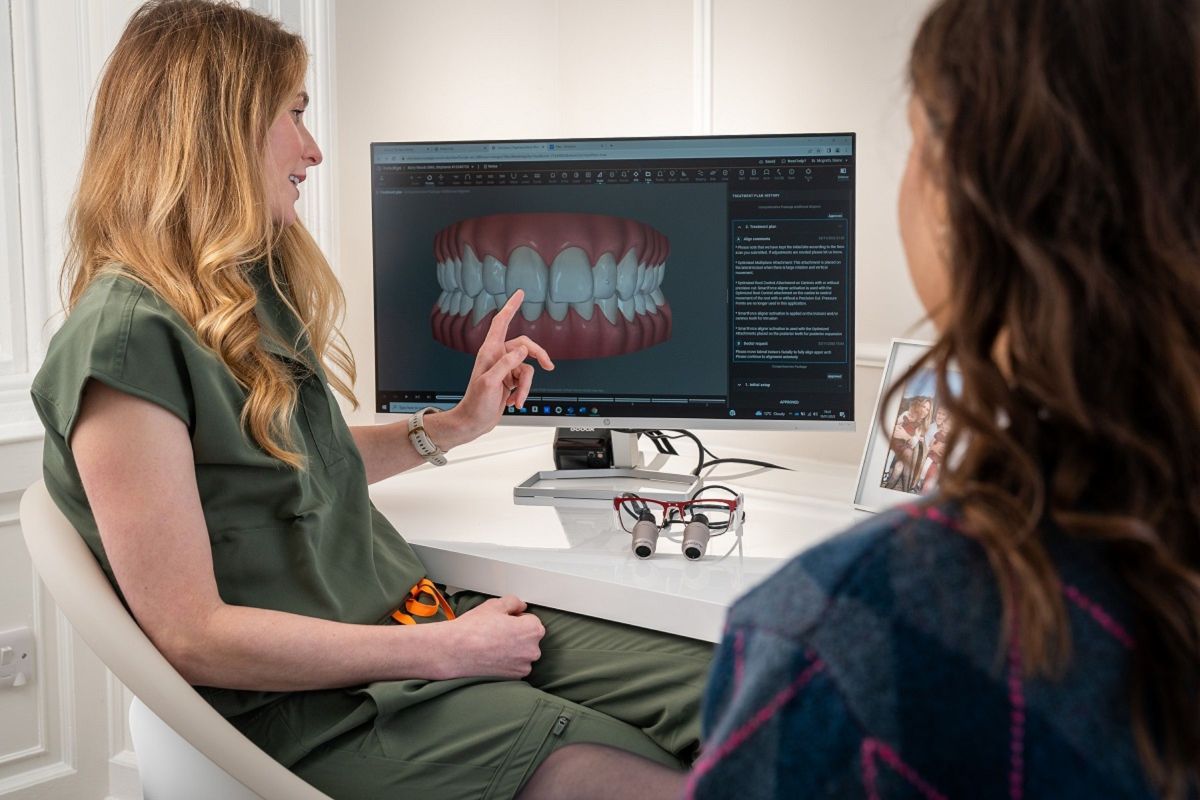
An initial appointment is an opportunity to understand your child’s development and ask questions without feeling pressured to make an immediate decision. The orthodontist may examine the teeth and jaws and, when appropriate, use photographs, scans, or X-rays to assess what is happening beneath the surface.
Ask what concern the examination identified, what could happen if treatment is delayed, and whether monitoring is reasonable. If braces are recommended, discuss the proposed approach, expected duration, appointment frequency, and whether any teeth may need to be removed. Ask who to contact if a wire or bracket breaks and what to do if your child experiences persistent discomfort.
A good consultation should leave you with a clear explanation rather than a list of unfamiliar terms. You should understand the purpose of treatment, the alternatives, and the responsibilities expected of both parent and child.
For an accessible overview of why braces may be recommended and what the process involves, read this guide to braces and orthodontic treatment.
Prepare for Everyday Adjustments
Braces can feel strange at first. Children may experience mild soreness after fitting or adjustments, and chewing may be uncomfortable for a short period. Softer foods can help during those days, while orthodontic wax may ease minor irritation when recommended by the orthodontic team.
Some foods need to be avoided or handled differently. Hard, crunchy, sticky, or chewy foods can damage brackets and wires, potentially leading to extra appointments or delays. Cutting suitable foods into smaller pieces and following the orthodontist’s guidance can make meals easier.
Oral hygiene also needs more attention. Brackets and wires create extra places for food and plaque to collect, so children should brush carefully with fluoride toothpaste and clean around their braces as instructed. Interdental brushes or flossing aids may make cleaning easier. Regular dental check-ups remain important during treatment.
The NHS also offers practical advice on caring for teeth and braces, including cleaning routines and foods that may cause problems. Review the guidance with your child so the daily routine feels manageable rather than overwhelming.
Understand the Cost and Time Commitment
Treatment can last from several months to a few years, depending on the complexity of the problem and how the teeth respond. The orthodontist should provide an estimated timeline while explaining that the duration can change if treatment needs adjustment or appointments are missed.
Before agreeing to a plan, ask for a written breakdown of fees. Clarify whether the quoted amount includes records, routine visits, repairs, retainers, and follow-up care. Insurance coverage and payment arrangements vary, so confirm details directly with the relevant provider rather than assuming a particular service will be covered.
Scheduling also deserves attention. Regular appointments need to fit around school, activities, and family commitments. If your child plays contact sports, ask about a suitable mouthguard. Planning ahead can reduce avoidable disruptions and help the family maintain consistent care.
Help Your Child Feel Comfortable and Involved
Children may feel excited about choosing brace colors, nervous about discomfort, or self-conscious about their appearance. Their reactions can change throughout treatment, and parents can help by listening without dismissing concerns or making the process feel like a punishment.
Explain the purpose of braces in age-appropriate language and let your child participate in practical decisions when possible. Keeping soft foods available after adjustments, packing suitable snacks, and establishing a cleaning routine can make the transition smoother.
Praise consistency rather than focusing only on visible progress. Remembering to clean properly, following instructions, and speaking up when something hurts are meaningful steps. If your child feels embarrassed, acknowledge the feeling and remind them that treatment is a process, not a measure of their worth.
Focus on Long-Term Health, Not Perfection
Braces require patience, but the goal is not a flawless smile at any cost. Treatment should address the child’s specific dental needs while considering comfort, oral health, and realistic expectations. Once braces are removed, retainers are often needed to help keep teeth in their new positions, so the commitment may continue beyond the final adjustment.
The best starting point is a professional evaluation and an open conversation about options. Ask questions, understand the responsibilities, and give your child practical support along the way. With a clear plan and consistent care, families can approach orthodontic treatment with greater confidence and fewer surprises.