
Most media consoles look slim in the photo and then refuse the receiver you already own, leaving the gear to hang out the back like a sore thumb, so deep media consoles for avr devices solves that exact problem with a body deep enough to swallow the AVR and the cables behind a closed door. The extra depth means the receiver sits proud of the wall instead of balanced on a pile of books, and the room reads calm rather than cluttered by the screen.
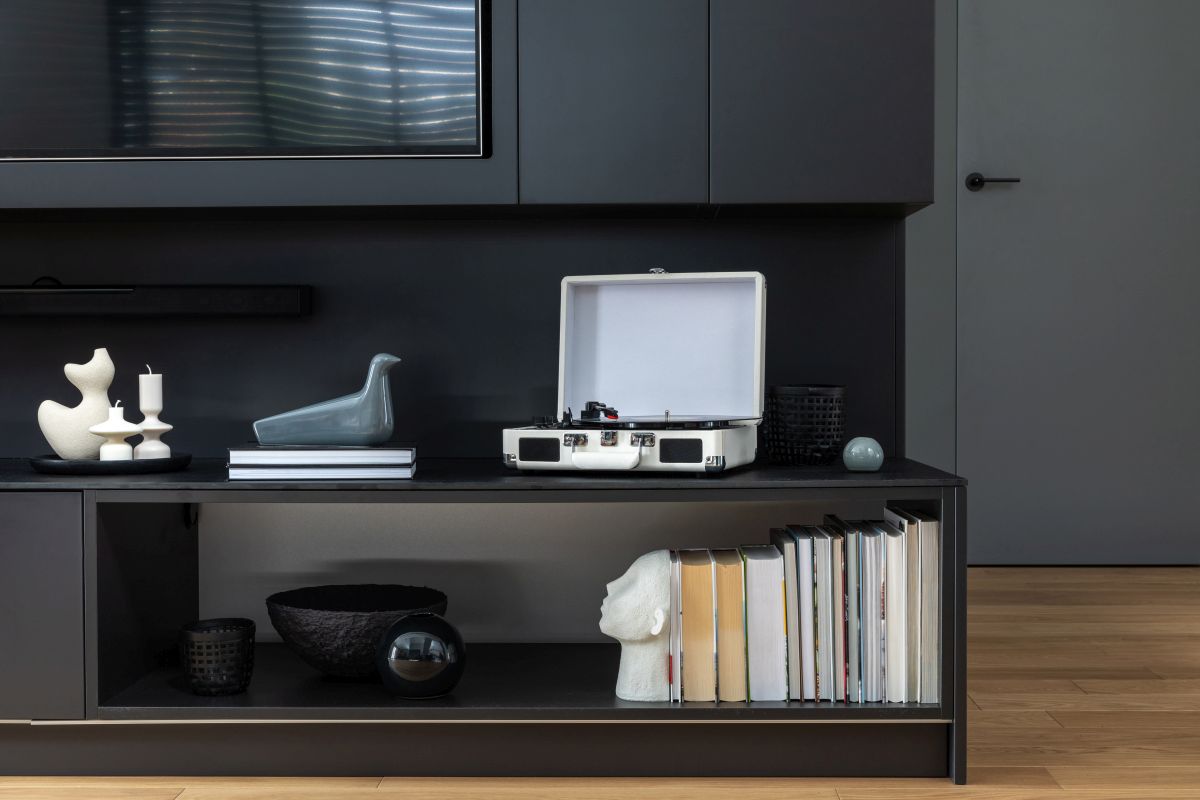
I have wrestled a receiver into a console that was two inches too shallow, and the result was a tangle of wires and a unit that never quite closed. A deep console changes the whole setup from a fight into a calm arrangement you forget about after the first week. This piece gives the AVR room to breathe, hides the mess behind a panel, and still holds the decor you want on top without crowding the TV. That balance is why I point friends toward it when they refuse to give up the gear they love just to keep the room looking tidy through the day near the window.
Depth That Fits the Receiver
A receiver needs real depth behind the front face, because the box is taller and deeper than the slim gear you see in the adverts by the wall. A console that is too shallow forces the AVR to stick out, which looks wrong and blocks the door from closing near the arm. I measure the receiver before the console, because the number on the box decides the number you need from the furniture through the year. This piece gives a full bay for the unit, so it sits proud of the wall and stays cool while it works. That space is what lets the gear do its job without a daily reminder of the compromise you made. You stop balancing the receiver on books and start enjoying the setup as it was meant to be.
Cable Management Without the Mess
A deep console hides the tangle that a shallow one leaves on display for every guest to see by the door. I run the HDMI and the power through a rear channel, then drop the slack into the cavity where the receiver lives near the wall. A few sticky ties keep the bundle from drifting into the fan, which is the small habit that keeps the gear happy through the year. This piece gives a routed path and a back panel, so the cables vanish instead of crawling across the floor where the dog trips on them. That clean line is what makes the room feel styled rather than staged around a problem you hid. You get the screen you wanted and the order you needed without a second furniture trip.
Ventilation Keeps Gear Cool
A receiver runs warm, and a console that boxes it tight will cook the unit until it shuts itself down mid film by the wall. Good depth pairs with open slats or a vented back, so the heat leaves instead of pooling around the fan near the arm. I tell readers to feel the top of the AVR after an hour, because a hot lid means the furniture is choking the gear you paid for. This piece leaves clearance above and behind the receiver, so the air moves and the sound stays steady through a long session. That cooling is what protects the investment you made in the box and the speakers around it. You stop worrying about shutdowns and start trusting the setup during the match or the movie with the family.
Why the AVR Needs Room to Breathe
People buy a receiver for the sound, then forget the box needs air like any machine that works hard through the evening near the wall. A shallow console presses the unit against the back panel, which traps heat and shortens the life of the gear you love by the arm. I favor depth because the gap behind the receiver is the difference between a unit that lasts and one that groans by year two. This piece builds that gap into the frame, so the AVR sits in a pocket of moving air rather than a sealed pocket of warm static. That breathing room is what lets the sound fill the room without the fan racing to keep up. You get the audio you wanted and the peace you needed from a setup that behaves.
Style That Hides the Work
A media console should look like furniture, not a rack you dragged from the office and parked under the screen by the wall. This piece keeps a calm front with a door that swings shut, so the gear disappears and the room reads as a living space rather than a tech corner near the arm. I choose a tone that sits between oak and walnut, because it pairs with the lamp and the rug you already own without a fight through the day. The deep body hides the bulk of the receiver, so the eye rests on the wood rather than the wires behind the glass. That disguise is the point of a good console, where the work happens out of sight and the style stays in view. You get a piece that fits the home you built slowly, not a loud slab that demands a redo around it by spring.
Set the Console in the Room
A deep console needs a wall with room to stand proud, or the depth you paid for becomes a hazard that blocks the walkway by the door. I leave a few inches behind the unit for cables and airflow, because that gap is what keeps the receiver cool and the vacuum able to pass near the wall. A low plant on top softens the wood, and a basket below hides the remotes you lose by the arm. The TV mounts or sits, and the console anchors the sightline so the eye lands on the screen instead of the clutter. That staging is what makes the depth feel generous rather than greedy for the floor you own. You get the gear and the calm in one footprint, which is the move when the goal is both sound and order at once in a home.
What to Measure Before You Buy
Before you hand over the money, measure the receiver and add two inches for cables and air behind it by the wall. Confirm the console depth clears that total, because a unit that is short by a hair will not close and will annoy you by month two near the arm. Check the back for a vent or a gap, since a sealed panel will cook the gear you love through the year. Measure the TV width and the stand, so the screen sits centered without overhang on either side by the window. These checks separate a console built for real gear from one that merely photographs well in a staged loft with good light. A confident seller answers fast, and that speed tells you about the product you are about to own for a decade.
Give the receiver the depth it needs and the room stays calm instead of cluttered by the screen. This console earns its place by hiding the gear you love behind a door that closes. That is the right trade for a home where the sound matters and the sightline stays clean near the wall.