
Your bathroom gets used every single day, yet it’s often one of the last rooms you seriously plan. A remodel can make your routine smoother, boost home value, and fix problems you’ve been quietly tolerating for years. The tricky part is that bathroom projects move fast once demolition starts. If you don’t make smart decisions early, little mistakes can turn into expensive ones with impressive speed.
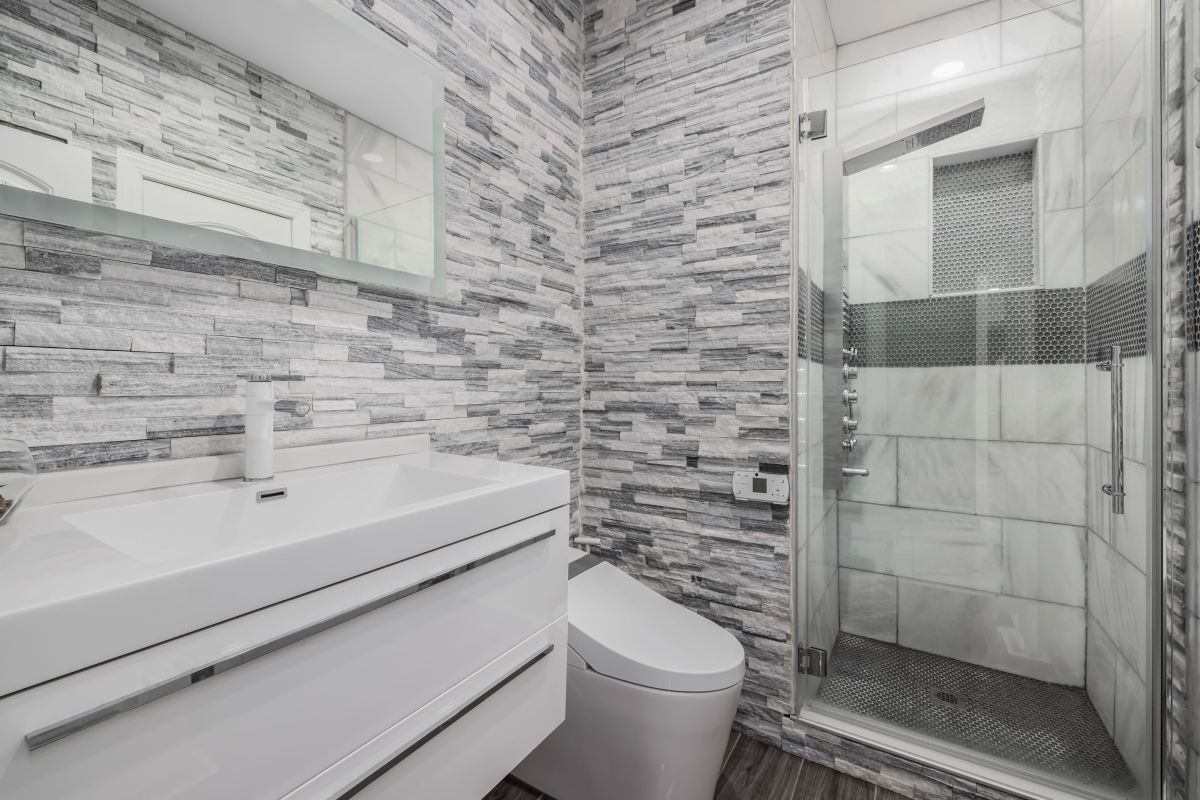
Start With Function Before Finishes
It’s easy to get distracted by tile samples, matte black fixtures, and those suspiciously perfect inspiration photos online. First, take a hard look at how your bathroom actually works. Think about storage, lighting, traffic flow, and who uses the space every day.
If two people share the bathroom each morning, a single sink may be a daily bottleneck. If your vanity drawers barely close, pretty hardware won’t rescue the layout. Make a list of frustrations before you choose anything decorative.
Focus on practical priorities such as:
- – Better storage for everyday items
- – Ventilation that can handle moisture properly
- – Enough counter space to stay organized
- – Lighting for grooming, not just ambiance
- – A layout that doesn’t feel cramped
A bathroom that functions well usually looks better too, because clutter stops fighting for attention.
Hiring the Right Pros Can Save the Entire Project
Even if you love DIY projects, bathrooms are not forgiving. Waterproofing, plumbing, electrical work, and tile installation all require precision. One bad shortcut can create damage that stays hidden until repair costs arrive with dramatic timing.
When comparing contractors, look beyond the estimate. Ask about licensing, insurance, project timelines, and experience with bathrooms specifically. Review past work closely. You want details that look clean, aligned, and thoughtfully finished.
Working with a qualified bathroom remodeling company can help you avoid layout mistakes, installation issues, and budget drift. A professional team can also spot structural or moisture concerns before they become larger problems.
Ask direct questions, get everything in writing, and make sure the communication style feels solid. If updates are vague before the contract, they rarely improve during demolition.
Set a Budget That Includes the Unpleasant Surprises
Bathroom remodels have a habit of uncovering hidden problems. Water damage, old plumbing, uneven subfloors, and outdated wiring love to appear right after your budget starts feeling confident. Build your spending plan with some realism, not optimism in a fancy outfit.
Divide your budget into categories like labor, materials, fixtures, tile, permits, and contingency. That last one matters more than people want to admit. A reserve of 10% to 20% can save you from panic when something behind the wall looks like it lost an argument with time.
You should also decide where to splurge and where to stay practical. Custom vanities and premium stone can be worth it, but not if they force you to cut corners on waterproofing or installation quality.
A gorgeous bathroom with hidden moisture issues is not a win. It’s just expensive suspense.
Choose a Layout That Fits the Room You Actually Have
One of the biggest remodeling mistakes comes from forcing a dream layout into a room that can’t support it. A free-standing tub might look amazing in photos, but if it makes your bathroom feel like a crowded elevator, it’s probably not the move.
Work with the room’s dimensions, plumbing locations, and door swing. Moving plumbing lines can be done, but it adds cost fast. Sometimes keeping the toilet or shower in the same spot gives you more room in the budget for better finishes and stronger workmanship.
Pay attention to clearances around the vanity, toilet, and shower entry. Small differences in spacing affect comfort more than many people expect. A layout that looks efficient on paper can feel awkward in real life.
Good design is not about squeezing in everything. It’s about creating a space you can use without elbow choreography.
Pick Materials That Can Handle Real Life
Bathrooms deal with steam, splashes, heat, hair products, cleaning chemicals, and constant use. Materials need to look good, but they also need to survive your actual routine. Some finishes are low-maintenance heroes. Others are high-maintenance drama.
Porcelain tile is popular because it’s durable and water-resistant. Quartz counters usually outperform materials that stain or require regular sealing. Semi-gloss or satin paint can hold up better in damp spaces than flat finishes.
When choosing materials, think about:
- – Slip resistance for floor tile
- – Water resistance around tubs and showers
- – Easy-to-clean grout and surfaces
- – Durability of vanity finishes
- – How hardware holds up to daily use
If you hate cleaning, choose fewer grout lines and simpler surfaces. Design should fit your habits, not assign you a part-time job with a sponge.
Lighting and Ventilation Deserve More Respect
A lot of bathroom remodels look polished but feel off because the lighting is weak and the ventilation is an afterthought. That combination can make a fresh renovation age badly. Fogged mirrors, trapped humidity, and harsh shadows are not subtle problems.
Use layered lighting whenever possible. Overhead lighting helps with general visibility, but vanity lighting at eye level improves grooming and makeup application. A dimmable option can also make the room more comfortable at night.
Ventilation matters just as much. A quality exhaust fan sized for the room helps prevent mold, peeling paint, and stale air. If your bathroom has no window, this becomes even more important.
A remodel should improve the way the room feels hour by hour, not just the way it photographs for five minutes.
Plan for Storage Early, Not as a Last-Minute Patch
Storage tends to get treated like a bonus feature, then suddenly becomes urgent when you realize towels, toiletries, and cleaning supplies have nowhere to go. At that point, people start buying baskets and hoping for the best.
Build storage into the remodel from the start. Vanity drawers often work better than deep cabinets where items disappear into the back like they’ve entered another dimension. Recessed medicine cabinets can add function without eating up space. Shower niches keep products accessible without the clutter of hanging racks.
Think about who uses the bathroom and what they need within reach. A kid’s bathroom may need durable storage and easy cleanup. A primary bathroom may need divided drawers, linen storage, and enough room for daily essentials.
Good storage makes the room feel calmer. That’s not magic. It’s just fewer things living on the countertop.
Finish With Choices You’ll Still Like in Five Years
Trends can be fun, but bathrooms are expensive to redo just because your tile started feeling very 2024. Aim for a design that feels current without being locked to a moment that might pass quickly.
A smart approach is to keep major elements timeless and use smaller details for personality. Classic tile shapes, neutral foundations, and well-made fixtures usually age better than ultra-specific statement pieces. You can always update mirrors, paint, hardware, or decor later.
Before making final selections, ask yourself a few practical questions:
- – Will this finish be hard to clean?
- – Does this color work in different lighting?
- – Will this style still feel comfortable over time?
- – Is this choice trendy or genuinely right for your home?
A successful remodel should make daily life easier and your home stronger. If it also makes you smile every morning, even better.