
Your roof rarely asks for attention politely. It usually sends hints first, then bigger warnings once water, heat, and time start teaming up against you. If you’re trying to figure out whether you need a quick repair or a full replacement, you’re not alone. In places like Orlando, where heavy rain, humidity, and storm seasons put roofs through a lot, spotting the difference early can save you money, stress, and a few unpleasant ceiling surprises.
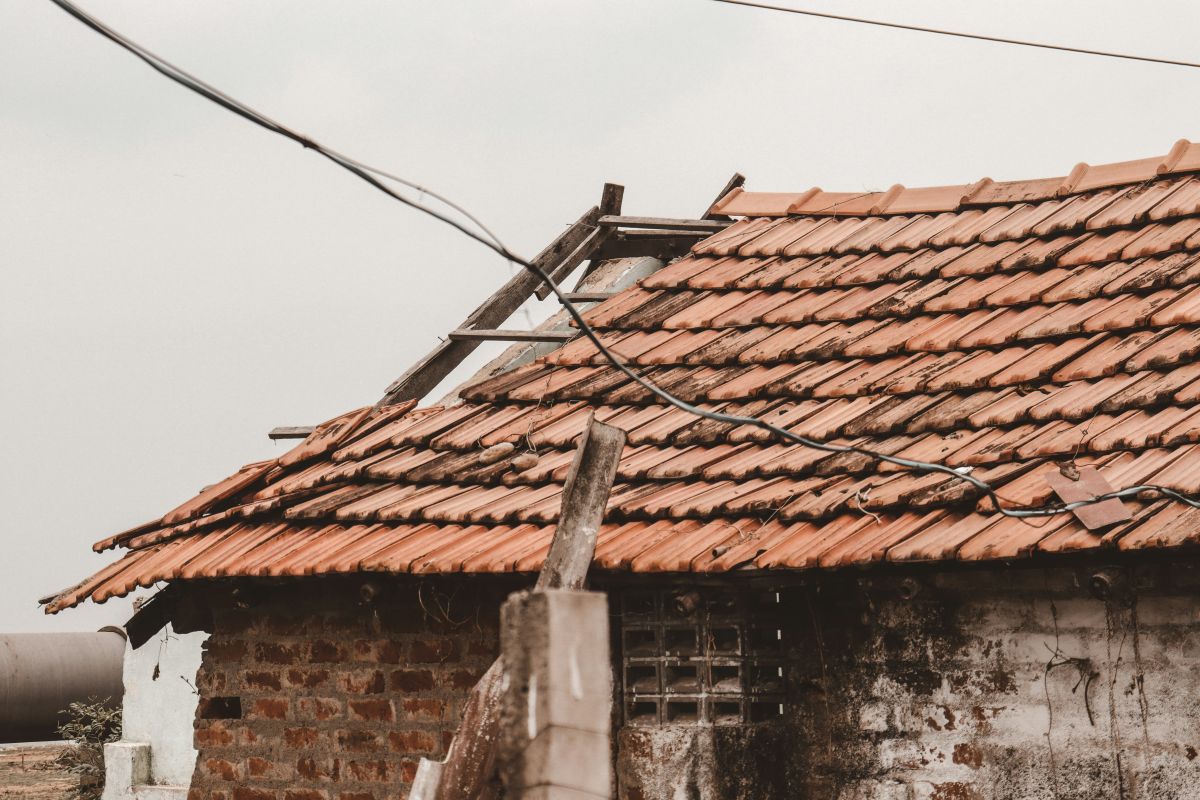
Storm Damage Can Change the Equation Fast
A roof can go from “holding up okay” to “call someone today” after one rough storm. Wind can lift shingles, hail can bruise materials, and heavy rain can exploit every weak point already in place. Orlando homeowners deal with this reality often, especially during hurricane season.
Storm-related issues that may justify replacement include:
- – Large sections of missing shingles
- – Exposed underlayment
- – Impact damage across multiple slopes
- – Water intrusion after a major weather event
If the damage is limited, repair may be enough. If the storm exposed aging materials or pushed an already weak roof over the edge, replacement starts making more financial sense.
When the inspection needs a professional eye, working with a roofing company in Orlando can help you determine whether you’re dealing with a localized fix or a system-wide problem.
Start With the Age of Your Roof
Age matters more than most homeowners expect. Even if your roof looks decent from the driveway, materials have a life span, and time quietly does its thing. Asphalt shingles often last around 15 to 30 years, while tile and metal can go longer with proper maintenance.
If your roof is approaching the end of its expected life, repeated repairs may turn into a money pit. A patch here and a shingle there can help for a while, but older systems tend to fail in clusters.
Ask yourself a few practical questions:
- – Do you know when the roof was installed?
- – Has it needed multiple repairs in the last two years?
- – Are neighbors with similar homes replacing theirs?
That last point is underrated. If homes around you were built at the same time, your roof may be aging on the same schedule.
Look for Visible Damage From the Ground
You don’t need to climb onto your roof like an action movie extra. A careful inspection from the ground can reveal a lot. Walk around your home and check for shingles that are curling, cracked, missing, or visibly uneven.
Pay attention to these signs:
- – Dark streaks or patches
- – Sagging rooflines
- – Granules collecting in gutters
- – Moss or algae growth
- – Flashing that looks loose or rusted
A few damaged shingles after a storm usually point to repair. Widespread wear across several sections often suggests deeper trouble. Sagging is especially serious because it can mean structural moisture damage beneath the surface.
If your roof looks patchy, tired, and a little lopsided, it may be closer to replacement than repair. Roofs aren’t supposed to have personality.
Check Inside Your Home for Water Clues
Roof problems don’t stay outside for long. Interior signs often reveal damage that isn’t obvious from the street. Start in the attic if you have one. Look for damp insulation, water stains, mold, or beams with dark discoloration.
Inside your living space, watch for:
- – Brown ceiling spots
- – Bubbling paint
- – Peeling drywall
- – Musty odors after rain
- – Drips near vents or light fixtures
A small, isolated leak may be tied to flashing, a vent boot, or a single vulnerable section. Those issues can often be repaired without replacing the whole roof.
Leaks in several areas, though, usually point to broader failure. Water has a sneaky travel pattern too. The stain on your bedroom ceiling may have started far from where it appears.
Compare Repair Costs With Replacement Value
This is where emotion tends to leave the room and math takes over. A repair always feels cheaper at first glance. Sometimes it is. Sometimes it’s the home improvement version of putting duct tape on a leaking pipe and hoping for spiritual growth.
A useful rule many homeowners follow is this: if repair costs start reaching a significant chunk of replacement cost, replacement deserves serious consideration.
Think beyond the invoice in front of you. Consider:
- – How long the repair is expected to last
- – Whether new problems are likely soon
- – Energy efficiency losses from an aging roof
- – The effect on resale value
A brand-new roof can improve ventilation, insulation performance, and buyer confidence. Constant repairs do the opposite. They signal uncertainty, even if the stain has been freshly painted over.
Consider the Materials and Previous Workmanship
Not all roofs fail for the same reasons. Sometimes the material is worn out. Other times the original installation missed the mark. Poor workmanship can create repeating issues around valleys, flashing, skylights, and chimneys.
If your roof has been repaired several times by different contractors, you may be dealing with inconsistent fixes layered over a bigger issue. It happens more often than people think.
Material type also shapes the decision. For example:
- – Asphalt shingles may be easier to spot-repair
- – Tile roofs can hide underlayment problems beneath intact tiles
- – Flat roofs often develop drainage-related trouble
- – Metal roofs may need targeted panel or fastener work
A repair makes sense when the surrounding system is still solid. Replacement makes more sense when the problem is baked into the design, installation, or aging materials across the roof.
Know When a Professional Inspection Is Worth It
Some roof decisions are obvious. Many aren’t. If you’re guessing based on one ceiling stain and a few blurry phone photos, you’re missing the full picture. A thorough inspection helps you understand the current condition, remaining life span, and whether hidden moisture has spread farther than expected.
A good inspection should evaluate:
- – Surface materials
- – Flashing and seal points
- – Roof decking condition
- – Ventilation performance
- – Gutter drainage patterns
- – Signs of storm impact
Ask for clear photos and plain-language explanations. You shouldn’t need a translator for roofing jargon. Terms like underlayment, decking, and flashing are useful, but they should be explained in a way that helps you make a smart decision.
The goal isn’t to be talked into the biggest project. The goal is to understand whether repair will truly solve the issue or just delay a larger expense.